2026/10/5文章
A Multi-Domain Analysis
Assessing the Environmental Impact of the War in Ukraine
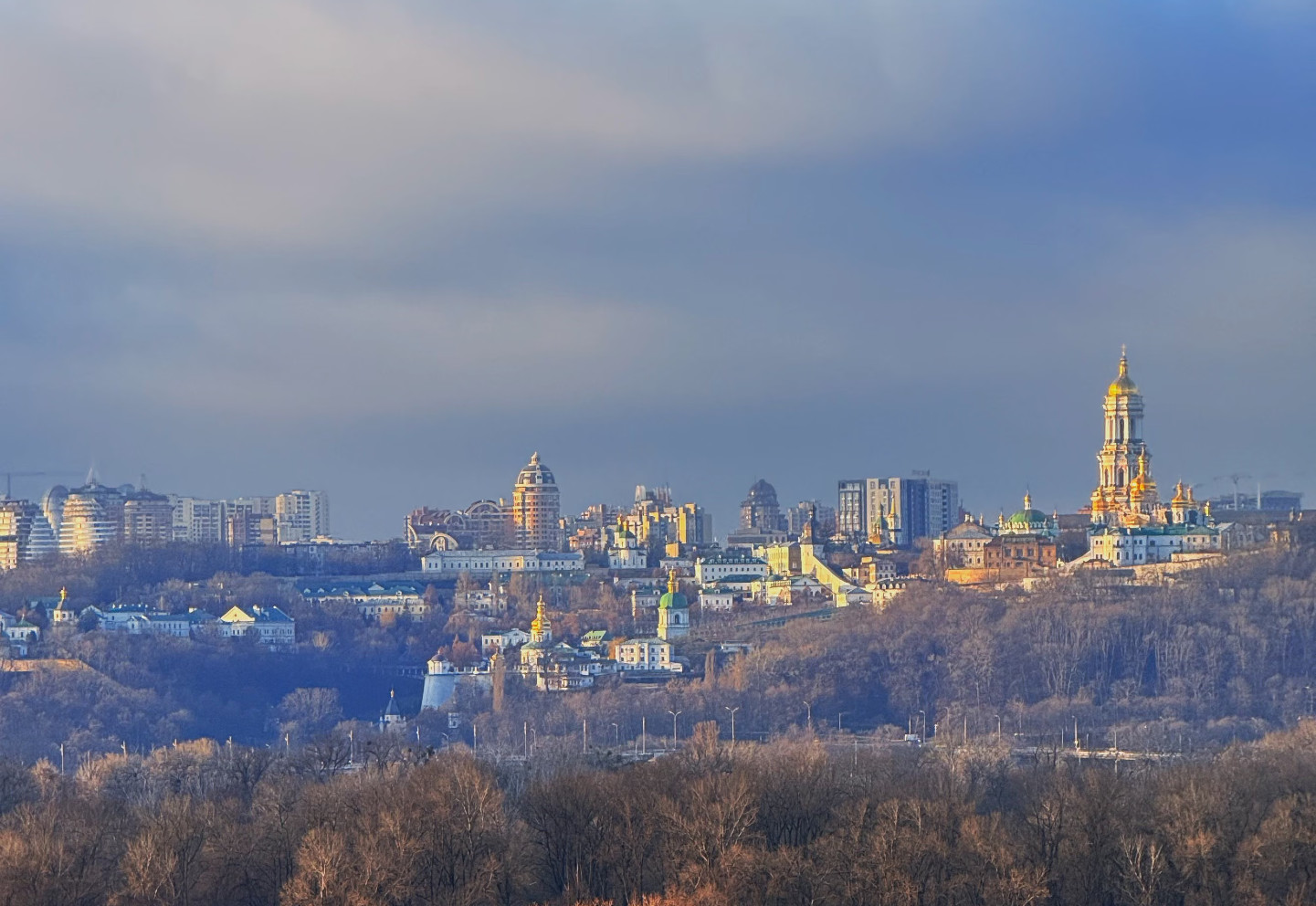
This article examines the environmental consequences of Russia’s invasion of Ukraine from 2022 to the present. Drawing on satellite data, Ukrainian monitoring platforms, and independent assessments it focuses on how the conflict has affected air, water, soil, biodiversity and environmental accountability. The paper argues that environmental damage is not simply a side effect of war, but a direct part of its humanitarian, public health and food security impacts. Particular attention is paid to industrial attacks, fuel infrastructure, landmines, burned areas, polluted river systems and the destruction of the Nova Kakhovka dam. The analysis shows that much of the damage is concentrated where Ukraine was already most vulnerable. It discusses the difficulty of documenting environmental harm during an active war, where satellite data can reveal major patterns but field access, laboratory testing and long-term monitoring remain essential.
2026/9/8Eastern Europe
Cossack organisations in the Balkans:
Foreign Mercenaries or Cultural Reenactors
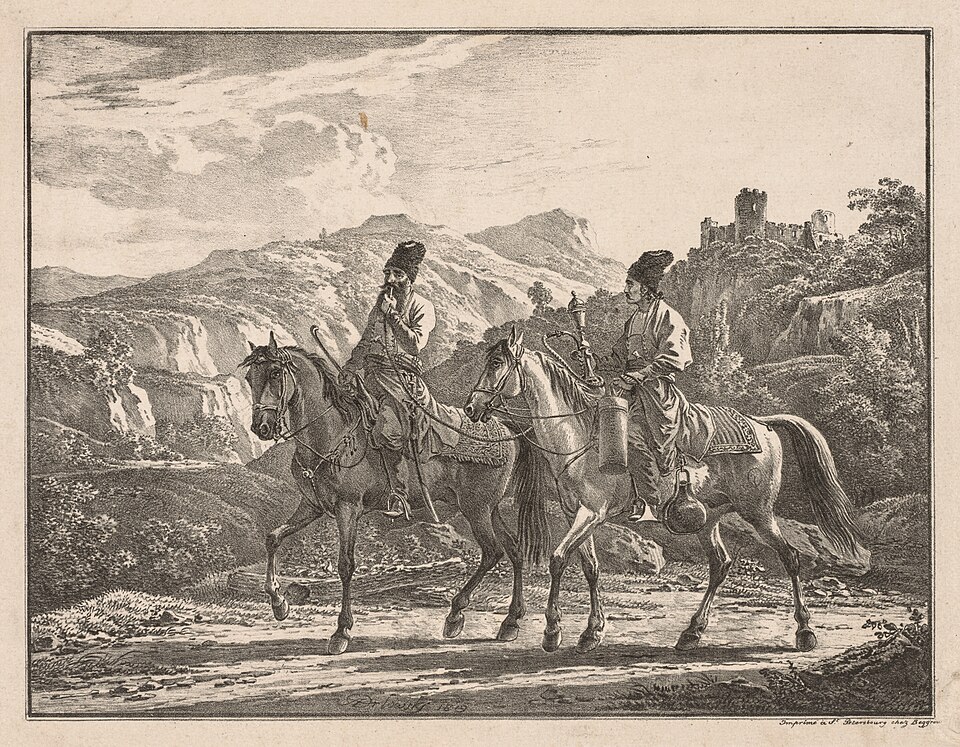
Over the last decades, a new actor has slowly risen in the Balkans. Born in the turmoil of the Yugoslav Wars among the ranks of Russian mercenaries, Cossacks organisations have now become well established groups all across the region However, their development goes far beyond cultural representation or historical revival and encompasses geopolitical vision involving destabilization and armed operation
2026/5/23Kazakhstan
From Inheriting the Atom to Renouncing it Forever
How Kazakhstan Framed Its Denuclearisation?
This review examines Togzhan Kassenova’s article on Kazakhstan’s nuclear disarmament with a focus on irreversibility in Kazakhstan’s post-Soviet denuclearisation. This paper aims to underscore the author’s multifactorial approach to understanding how domestic and external factors are intermingled and cannot be dissociated from one another to understand Kazakhstan’s denuclearisation. Peculiar attention is paid to foreign actors and U.S. Russia cooperation to achieve the dismantlement of nuclear infrastructures, thereby leading Kazakhstan into global diplomatic interactions.
2026/4/13Bulgaria
Bulgaria’s 2026 snap elections
The end of a political deadlock?
On 19 April, Bulgarians will vote for their new prime minister. As the country faces an intractable political crisis in 2021, the candidacy of former President Rumen Radev might be a significant change to end the political deadlock. However, without a decisive victory, Radev will have to deal with a fragmented parliament, leading to a potential new unsteady coalition. Moreover, his pro-Russian stance raises concerns about Bulgaria’s support for Ukraine, EU participation and Moscow interference.
2026/4/8Eastern Europe
From Bessarabia to Moldova
Identity crisis in a borderland

Bessarabia is a historical Eastern European region that has been the place of recurring tensions between powers and has changed hands several times. Playing the role of a frontier or a buffer state between more powerful empires, the region struggled to achieve its own identity and endorsed the one given by others. Today, mainly embodied by the Moldovan Republic, the country is still at the crossroads between European and Russian influences and faces challenges in asserting itself. This paper adopts a historical approach from the annexation of the region by the Russian Empire in 1812 until the Transnistrian War in 1992 to analyse the evolution of its regional identity.
2026/3/19Uzbekistan
Between Disquiet and Self-affirmation
The Causes Behind Uzbekistan’s Forthcoming Updated Military Doctrine and National Security Concept
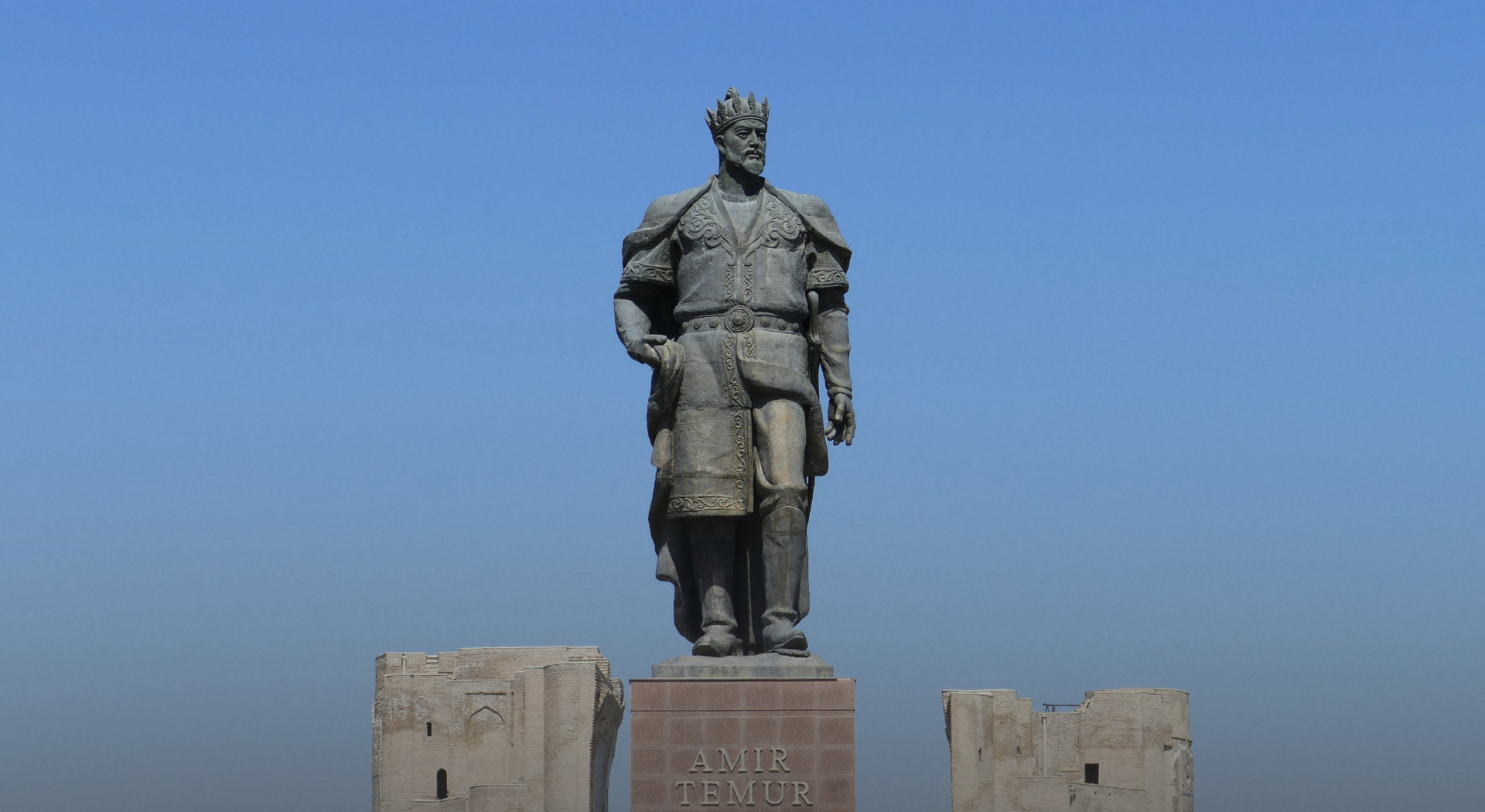
This paper questions Uzbekistan's strategic posture from Karimov’s to Mirzioyev’s presidencies through the lens of its military doctrine, linked to the transformation of the Central Asian geopolitical environment in the aftermath of the collapse of the USSR. This article parses out the shift from a self-imposed isolationism under Karimov’s rule towards a more cooperative foreign policy since the beginning of Mirziyoyev's presidency in 2016. Today’s Uzbekistan is now undergoing a recalibration of its foreign priorities dealing with scarcity of natural resources, political instability stemming from neighbouring countries and emerging influence from external powers, such as China, Russia, Turkey and the United States of America. To conclude, this paper focuses on the conception of a new military doctrine aiming at modernising its military outlet to better face emerging threats and competition among regional powers.