2026/11/12China分析
Borrowing in Yuan, Paid in Dollars
Central Asia’s Divergent Financing Routes with the People’s Republic of China
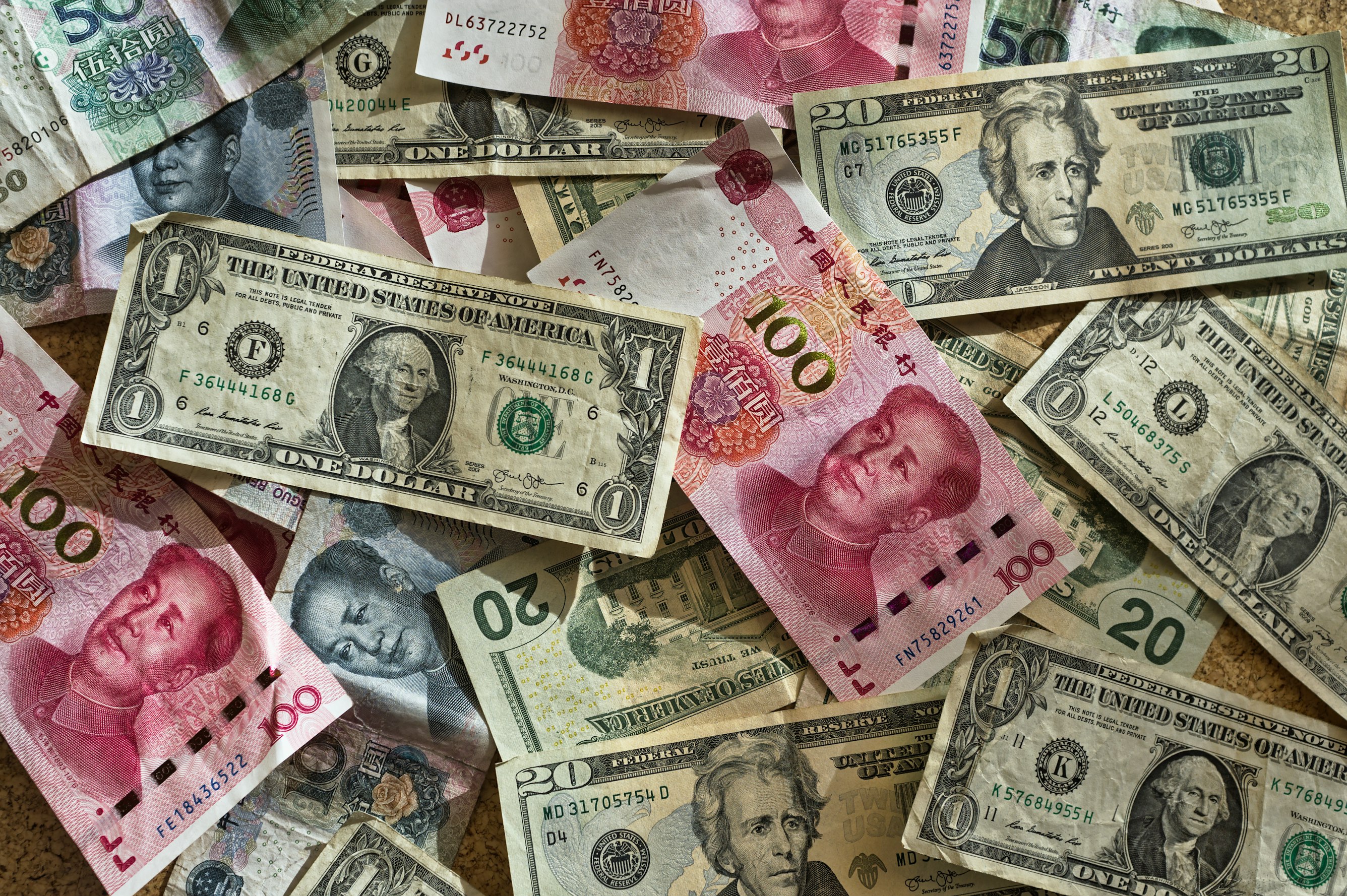
A closer look at the records of Kazakhstan and Turkmenistan, the two ends of the region’s range, shows renminbi finance in Central Asia moving away from the dollar less than it first appears. Since September 2025, Kazakh issuers have placed 23.45 billion CNY of panda and dim sum bonds, and in July 2026, the National Bank of Kazakhstan signed a new swap agreement with the People’s Bank of China. Turkmenistan sells its gas to China for U.S. dollars under a 2006 treaty, repaid its China Development Bank loans from gas receipts and is financing the fourth phase of the Galkynyş field from its own funds. Drawing on issuer disclosures, central bank data, treaty texts and sanctions records, this article argues that neither route takes Kazakhstan or Turkmenistan out of the dollar system. The renminbi gains ground alongside the dollar, mostly in bond channels whose issuers keep their distance from the payment channels that Western sanctions enforcement has targeted since 2024. The currency of each route also decides where sanctions exposure and refinancing risk fall.
2026/10/18文章文化
Albania’s AI minister:
The effectiveness of AI governance as a tool for projecting progress

Albania’s ‘AI minister’ Diella is meant to assist citizens and help make public procurement decisions, thus curbing corruption. Albania is, like many Balkan countries, often considered part of the European periphery as a result of its historical position as a border between West and East, and of a wider perception of the region as politically backward in comparison to Western Europe. This arguably creates an incentive for the Albanian government to portray itself as advanced and progressive by adopting such emerging tech solutions as it seeks to fulfil the conditions of EU membership. Nonetheless, it is questionable whether this move will help Albania on its EU path if it does not implement certain legal and technical changes to better align with the EU’s vision of tech governance. Furthermore, there is domestic scepticism about the effectiveness of the tool, which can be seen through enduring citizen dissatisfaction with the government’s transparency level. This was most recently evidenced by protests against a government-supported resort development backed by Jared Kushner despite environmental risks. Finally, Diella’s design spotlights particular less-than-progressive domestic gender dynamics which may also hinder Albania’s EU advancement and progressive image. Diella’s avatar is a woman whose appearance visually references a traditional conception of femininity that can be considered somewhat restrictive. Moreover, Diella’s feminine form does not necessarily imply that it is an adequate representation of the interests of women, and may even obscure real issues they face, such as lacking representation or high rates of violence. This is further affirmed by the fact that the avatar was modelled after a real person, an actress who is claiming in court that she did not authorise this use of her image. Diella’s trajectory, so far, demonstrates that mere AI introduction does not in itself constitute progression without surrounding adaptation in other societal segments.
2026/10/5文章分析
A Multi-Domain Analysis
Assessing the Environmental Impact of the War in Ukraine
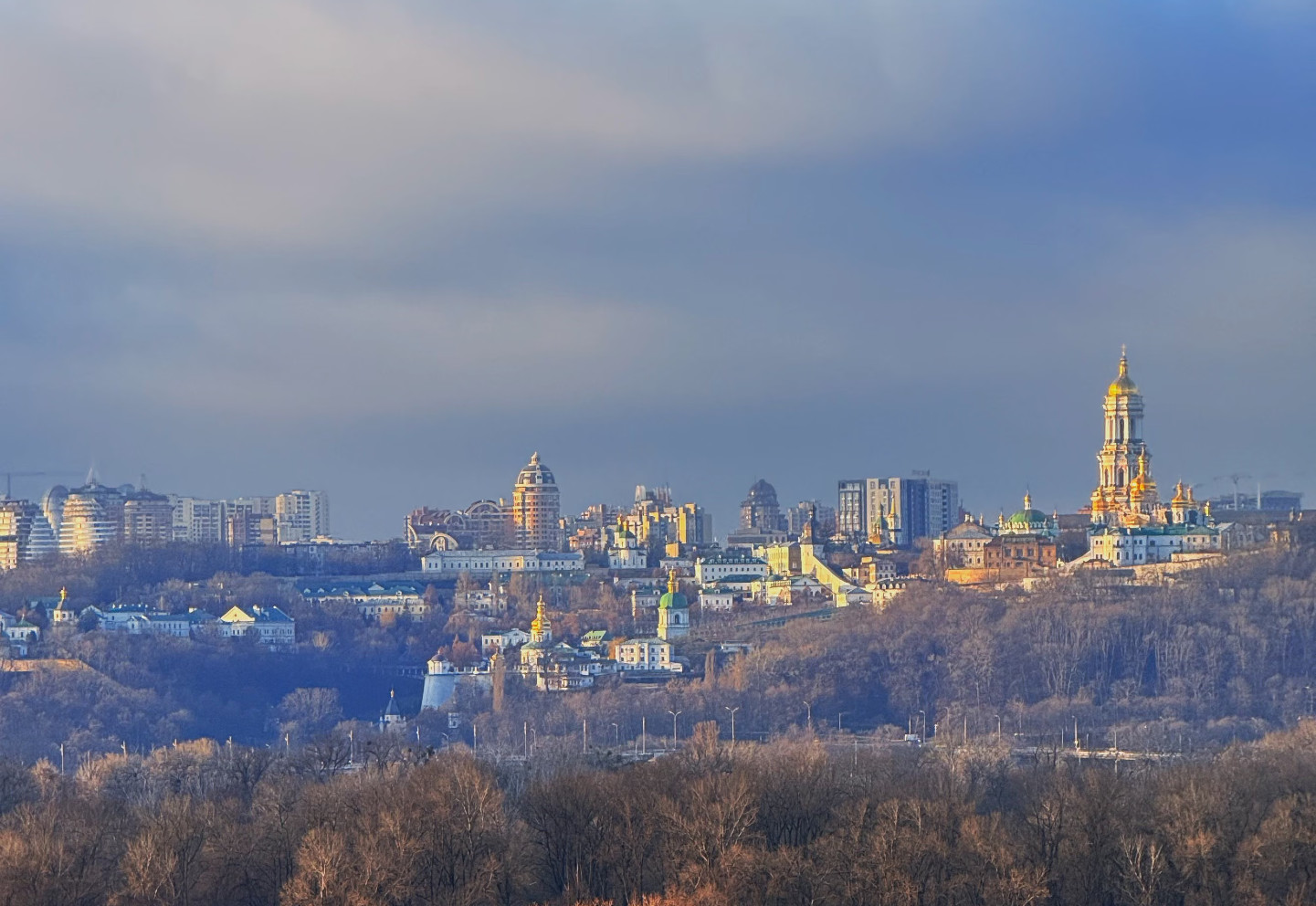
This article examines the environmental consequences of Russia’s invasion of Ukraine from 2022 to the present. Drawing on satellite data, Ukrainian monitoring platforms, and independent assessments it focuses on how the conflict has affected air, water, soil, biodiversity and environmental accountability. The paper argues that environmental damage is not simply a side effect of war, but a direct part of its humanitarian, public health and food security impacts. Particular attention is paid to industrial attacks, fuel infrastructure, landmines, burned areas, polluted river systems and the destruction of the Nova Kakhovka dam. The analysis shows that much of the damage is concentrated where Ukraine was already most vulnerable. It discusses the difficulty of documenting environmental harm during an active war, where satellite data can reveal major patterns but field access, laboratory testing and long-term monitoring remain essential.
2026/9/21USSR文化
Learning to read in the Volga German ASSR:
The role of nationalism and socialism in shaping education for German children in the Soviet Union
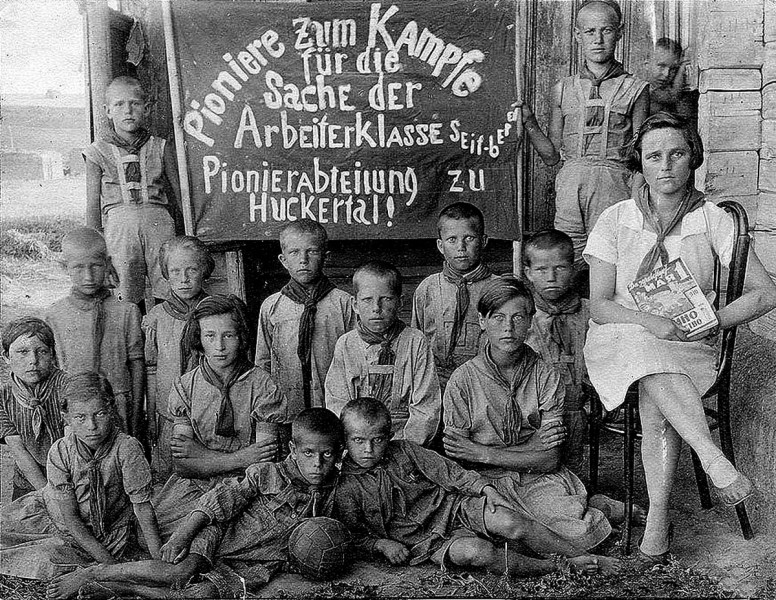
In the early Soviet Union, a great effort was made to improve the rights of national minorities. An important part of this was the right to education in the native language, requiring the creation of new school materials all across the newfound state. This article examines that process in the case of the Volga Germans – a national group with limited self-rule from 1918 until its tragic deportation in 1942. The analysis is centred around the reading primer Lerne Lesen (Pokrowsk 1924), written by Franz Bach (1885-1942) and the public discourse in Russian German journals underlying it. In this analysis, there is a focus on the role of nationalism and socialism – two elements that are bound to be present, yet seem contradictory. It is argued then, that this process fits well with the institutional changes resulting from Soviet policy regarding national education. There is a state-wide framework to work within, but this framework leaves space for interpretation, and is as such widely discussed at the local level in Volga German journals. Yet, these discussions seem to take place in a Germanophone bubble, taking Germany as the central point of reference, leaving the Russian-speaking world almost entirely outside of consideration.
2026/9/8Eastern Europe分析
Cossack organisations in the Balkans:
Foreign Mercenaries or Cultural Reenactors
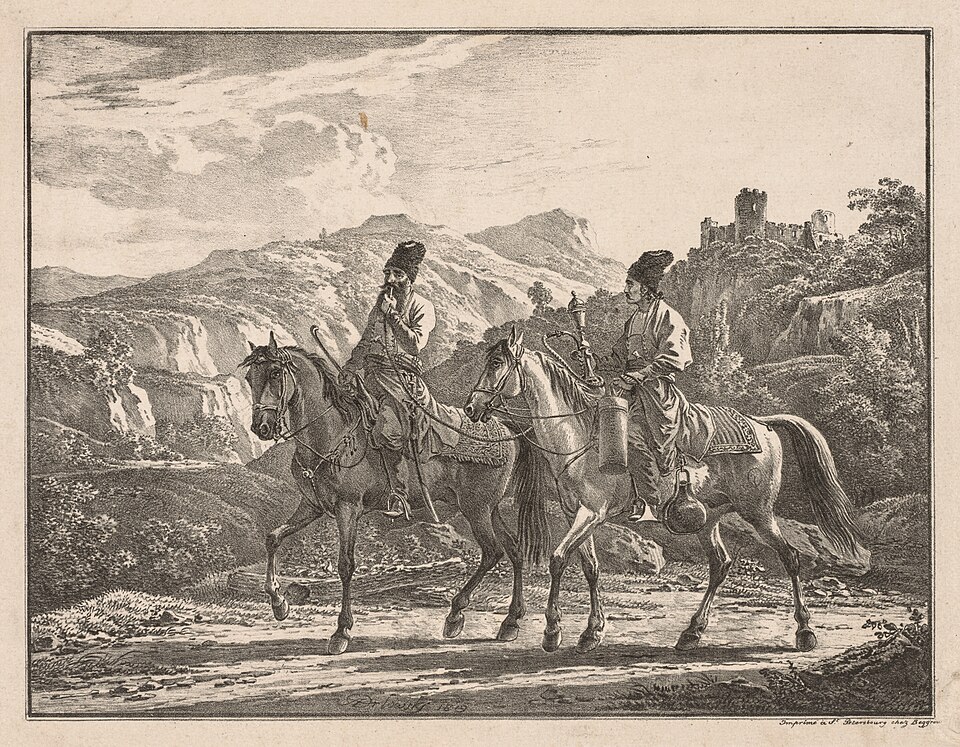
Over the last decades, a new actor has slowly risen in the Balkans. Born in the turmoil of the Yugoslav Wars among the ranks of Russian mercenaries, Cossacks organisations have now become well established groups all across the region However, their development goes far beyond cultural representation or historical revival and encompasses geopolitical vision involving destabilization and armed operation
2026/6/15Hellenistic East文化
The Royal Cult of Dionysus in the Hellenistic Kingdoms of the East

During the Hellenistic period (336-31 BC), Dionysus became the deity most frequently associated with ruler cult in the Ptolemaic Kingdom, the Seleucid Empire, and the city-kingdom of Pergamon. This development was entirely unprecedented in comparison with the cult of Dionysus in earlier Greece, where the god often maintained a complex and sometimes problematic relationship with political institutions. However, an analysis of the Dionysian cult reveals that the elements underlying Dionysus’ royal success during the Hellenistic age had already been present for centuries: his connection with the fertility of the land, his association with navigation, and his ambivalent nature, situated between the divine and the human spheres.
2026/5/23Kazakhstan分析
From Inheriting the Atom to Renouncing it Forever
How Kazakhstan Framed Its Denuclearisation?
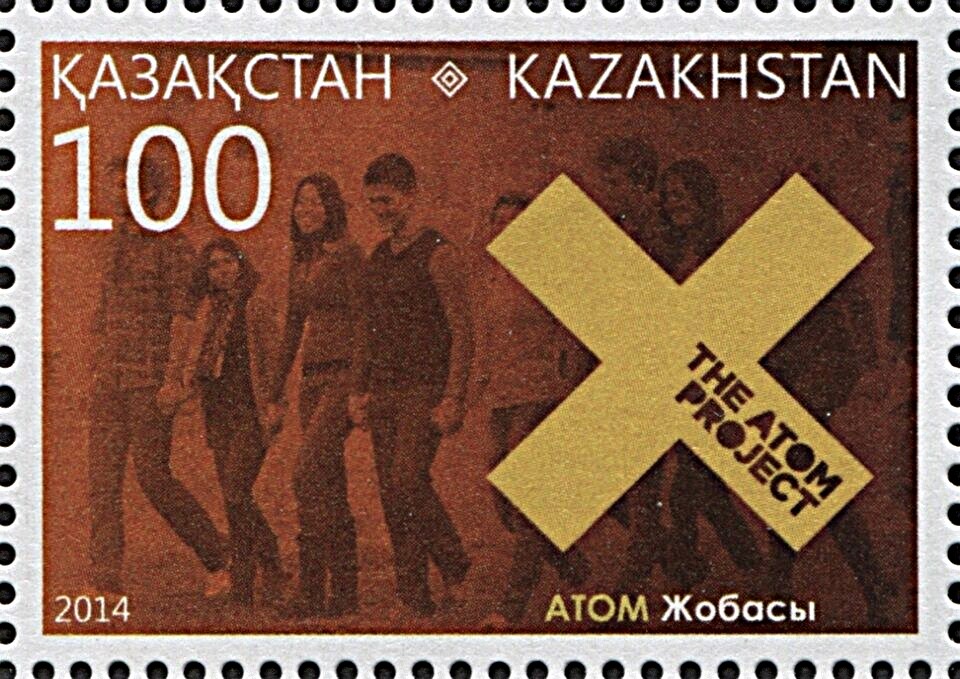
This review examines Togzhan Kassenova’s article on Kazakhstan’s nuclear disarmament with a focus on irreversibility in Kazakhstan’s post-Soviet denuclearisation. This paper aims to underscore the author’s multifactorial approach to understanding how domestic and external factors are intermingled and cannot be dissociated from one another to understand Kazakhstan’s denuclearisation. Peculiar attention is paid to foreign actors and U.S. Russia cooperation to achieve the dismantlement of nuclear infrastructures, thereby leading Kazakhstan into global diplomatic interactions.
2026/4/22Ukraine文化
The survival of Bandera’s figure in Ukraine, Poland and Russia

Bandera’s legacy survived World War II in several regions and communities despite his exile in Germany, the annexation of Ukraine by the USSR and the defeat of fascist powers. It subsisted indeed through the Cold War and into contemporary times through various forms of memory transmission. This essay aims to analyse both the rise of this cult and the narratives that developed around it, while also discussing the political consequences of such a phenomenon. Depending on the community, the memory of the figure and of his movement greatly differs. debates surrounding him in Ukraine, as well as in Poland and Russia, will be examined in order to understand his role in political and diplomatic debates in the region, especially in the current context of war. This tripartition — necessary to analyse such a controversial figure with neutrality — is also justified by a will to take into account several opposed points of view.
2026/4/13Bulgaria分析
Bulgaria’s 2026 snap elections
The end of a political deadlock?
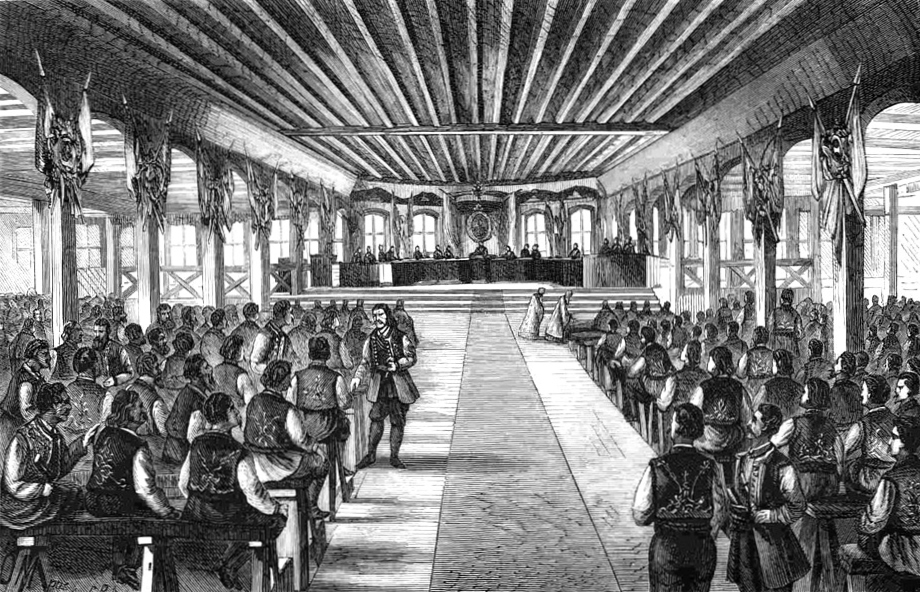
On 19 April, Bulgarians will vote for their new prime minister. As the country faces an intractable political crisis in 2021, the candidacy of former President Rumen Radev might be a significant change to end the political deadlock. However, without a decisive victory, Radev will have to deal with a fragmented parliament, leading to a potential new unsteady coalition. Moreover, his pro-Russian stance raises concerns about Bulgaria’s support for Ukraine, EU participation and Moscow interference.
2026/4/8Eastern Europe分析
From Bessarabia to Moldova
Identity crisis in a borderland
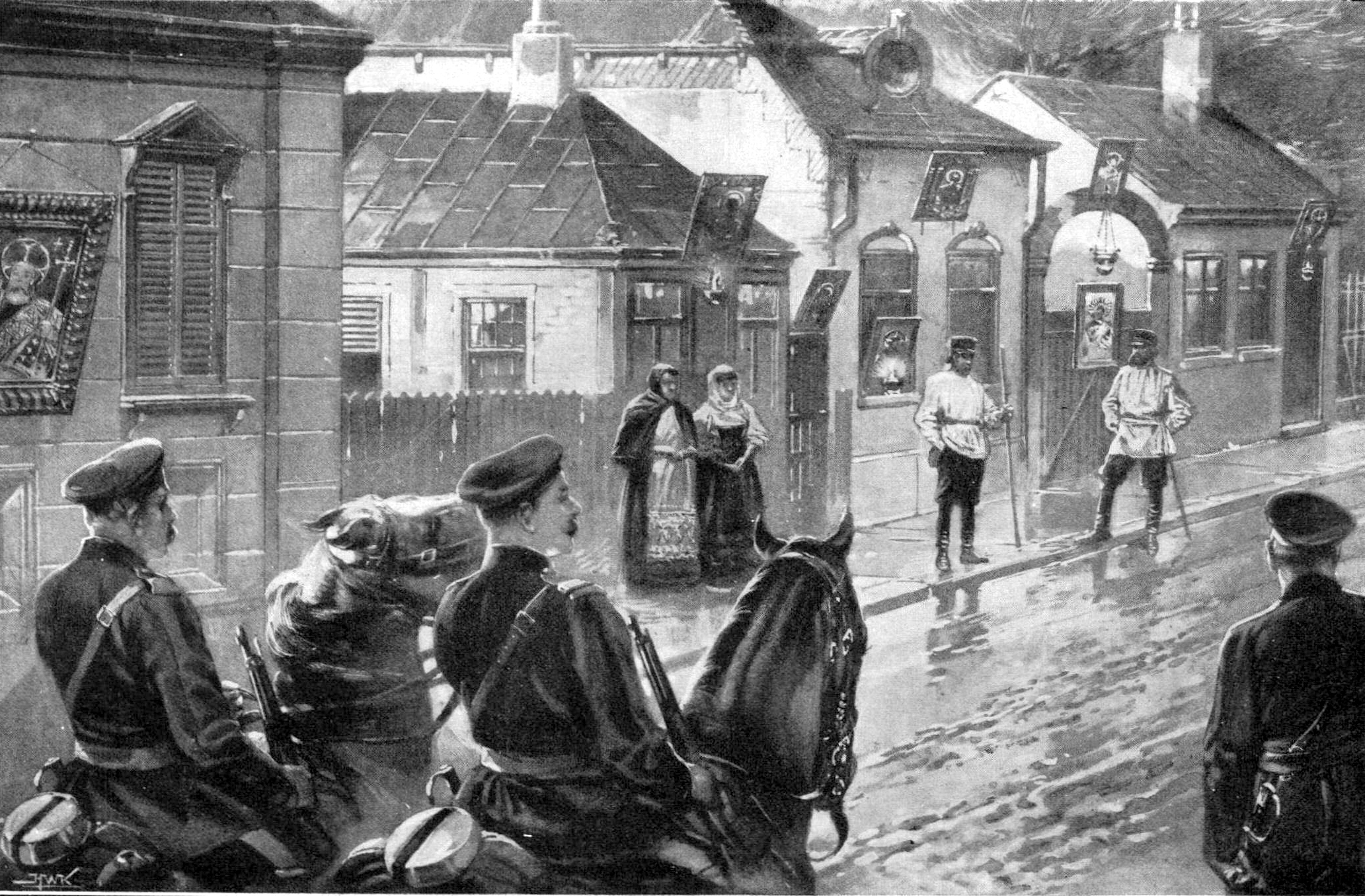
Bessarabia is a historical Eastern European region that has been the place of recurring tensions between powers and has changed hands several times. Playing the role of a frontier or a buffer state between more powerful empires, the region struggled to achieve its own identity and endorsed the one given by others. Today, mainly embodied by the Moldovan Republic, the country is still at the crossroads between European and Russian influences and faces challenges in asserting itself. This paper adopts a historical approach from the annexation of the region by the Russian Empire in 1812 until the Transnistrian War in 1992 to analyse the evolution of its regional identity.
2026/3/19Uzbekistan分析
Between Disquiet and Self-affirmation
The Causes Behind Uzbekistan’s Forthcoming Updated Military Doctrine and National Security Concept
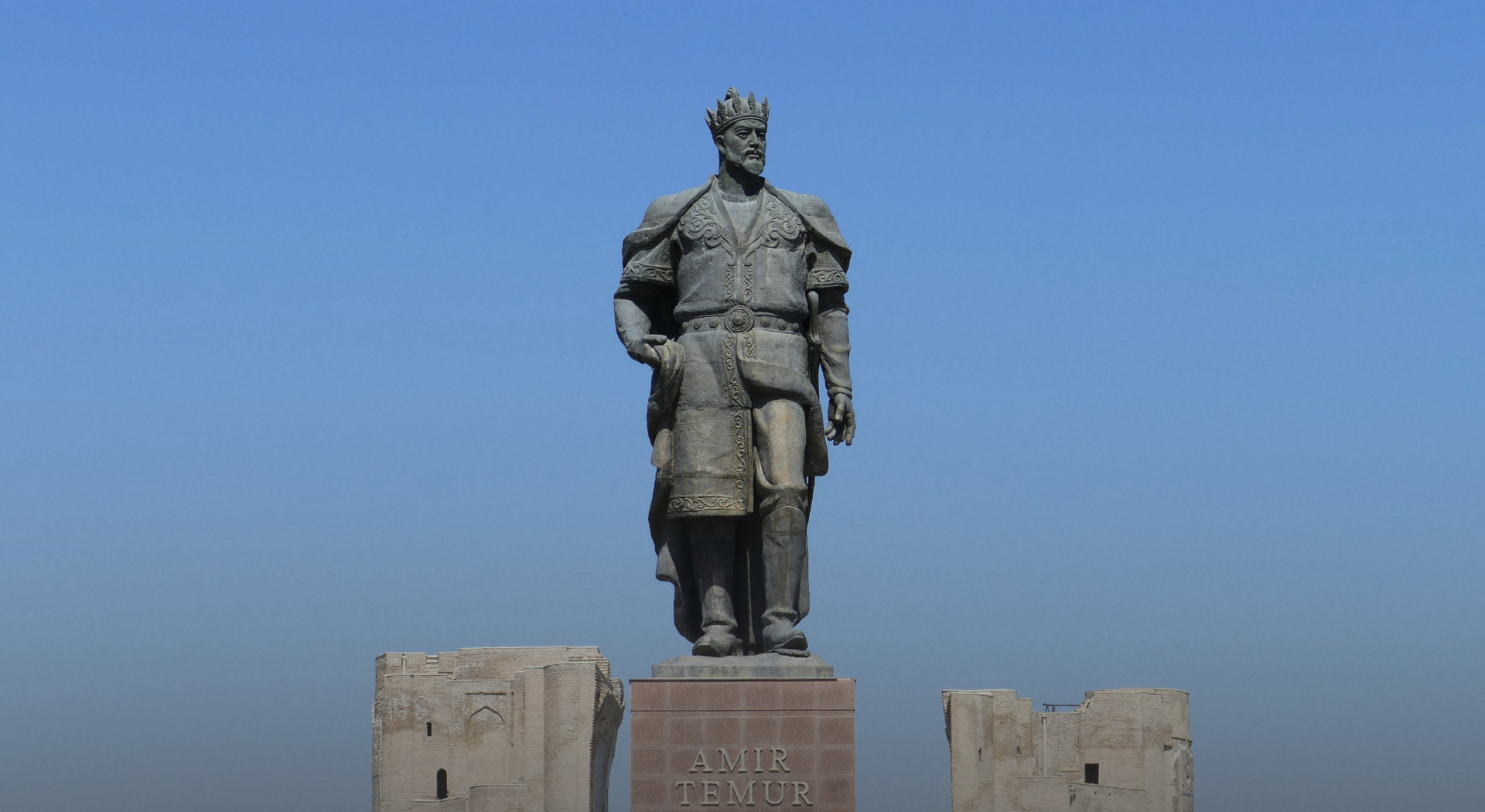
This paper questions Uzbekistan's strategic posture from Karimov’s to Mirzioyev’s presidencies through the lens of its military doctrine, linked to the transformation of the Central Asian geopolitical environment in the aftermath of the collapse of the USSR. This article parses out the shift from a self-imposed isolationism under Karimov’s rule towards a more cooperative foreign policy since the beginning of Mirziyoyev's presidency in 2016. Today’s Uzbekistan is now undergoing a recalibration of its foreign priorities dealing with scarcity of natural resources, political instability stemming from neighbouring countries and emerging influence from external powers, such as China, Russia, Turkey and the United States of America. To conclude, this paper focuses on the conception of a new military doctrine aiming at modernising its military outlet to better face emerging threats and competition among regional powers.
2026/3/3Ukraine文化
Stepan Bandera, a Symbol of Ukrainian Nationalism During the Second World War
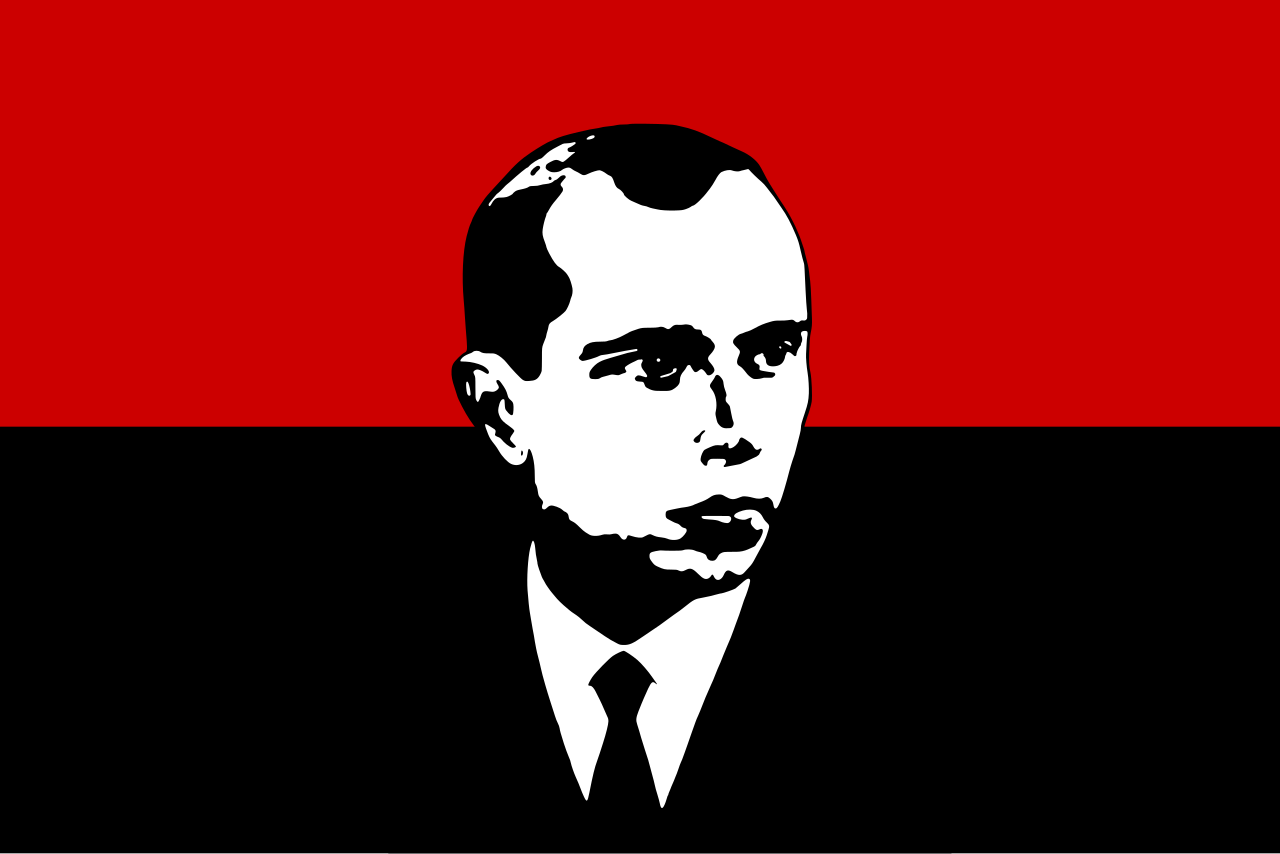
Stepan Bandera (1909-1959) is often glorified in Ukrainian political spheres and historiography, but is subject to opprobrium in Polish historical and political narratives. Leading figure of the Organisation of Ukrainian Nationalists (OUN), he is recurrently used as a legitimising argument for the war in Ukraine by Russian propaganda. The interwar period and World War II saw the growth of aspirations for Ukrainian national independence, especially in western Ukraine, but also the ascension of Bandera as a moral, ideological and political pillar. His followers, known as “Banderists”, had an ethnic, cultural and religious conception of their homeland, and engaged in carrying out radical policies to attain their ideal. Grzegorz Rossoliński-Liebe’s biography, Stepan Bandera: The Life and Afterlife of a Ukrainian Nationalist. Fascism, Genocide, and Cult (2014) synthesises this character’s history and the evolution of the Ukrainian nationalism he symbolises as of today. This essay aims to provide a simplified historical account of Bandera's life, based on Rossoliński-Liebe’s work, the Banderists, as well as the process which led to mythologization and the question of memory and identity it raises to this day.