18/10/2026Article
Albania’s AI minister:
The effectiveness of AI governance as a tool for projecting progress

Albania’s ‘AI minister’ Diella is meant to assist citizens and help make public procurement decisions, thus curbing corruption. Albania is, like many Balkan countries, often considered part of the European periphery as a result of its historical position as a border between West and East, and of a wider perception of the region as politically backward in comparison to Western Europe. This arguably creates an incentive for the Albanian government to portray itself as advanced and progressive by adopting such emerging tech solutions as it seeks to fulfil the conditions of EU membership. Nonetheless, it is questionable whether this move will help Albania on its EU path if it does not implement certain legal and technical changes to better align with the EU’s vision of tech governance. Furthermore, there is domestic scepticism about the effectiveness of the tool, which can be seen through enduring citizen dissatisfaction with the government’s transparency level. This was most recently evidenced by protests against a government-supported resort development backed by Jared Kushner despite environmental risks. Finally, Diella’s design spotlights particular less-than-progressive domestic gender dynamics which may also hinder Albania’s EU advancement and progressive image. Diella’s avatar is a woman whose appearance visually references a traditional conception of femininity that can be considered somewhat restrictive. Moreover, Diella’s feminine form does not necessarily imply that it is an adequate representation of the interests of women, and may even obscure real issues they face, such as lacking representation or high rates of violence. This is further affirmed by the fact that the avatar was modelled after a real person, an actress who is claiming in court that she did not authorise this use of her image. Diella’s trajectory, so far, demonstrates that mere AI introduction does not in itself constitute progression without surrounding adaptation in other societal segments.
21/09/2026USSR
Learning to read in the Volga German ASSR:
The role of nationalism and socialism in shaping education for German children in the Soviet Union
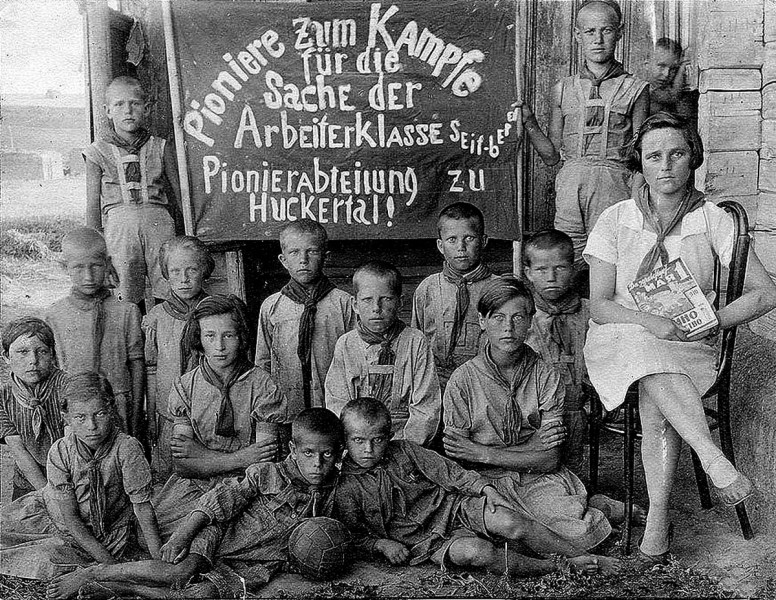
In the early Soviet Union, a great effort was made to improve the rights of national minorities. An important part of this was the right to education in the native language, requiring the creation of new school materials all across the newfound state. This article examines that process in the case of the Volga Germans – a national group with limited self-rule from 1918 until its tragic deportation in 1942. The analysis is centred around the reading primer Lerne Lesen (Pokrowsk 1924), written by Franz Bach (1885-1942) and the public discourse in Russian German journals underlying it. In this analysis, there is a focus on the role of nationalism and socialism – two elements that are bound to be present, yet seem contradictory. It is argued then, that this process fits well with the institutional changes resulting from Soviet policy regarding national education. There is a state-wide framework to work within, but this framework leaves space for interpretation, and is as such widely discussed at the local level in Volga German journals. Yet, these discussions seem to take place in a Germanophone bubble, taking Germany as the central point of reference, leaving the Russian-speaking world almost entirely outside of consideration.
15/06/2026Hellenistic East
The Royal Cult of Dionysus in the Hellenistic Kingdoms of the East
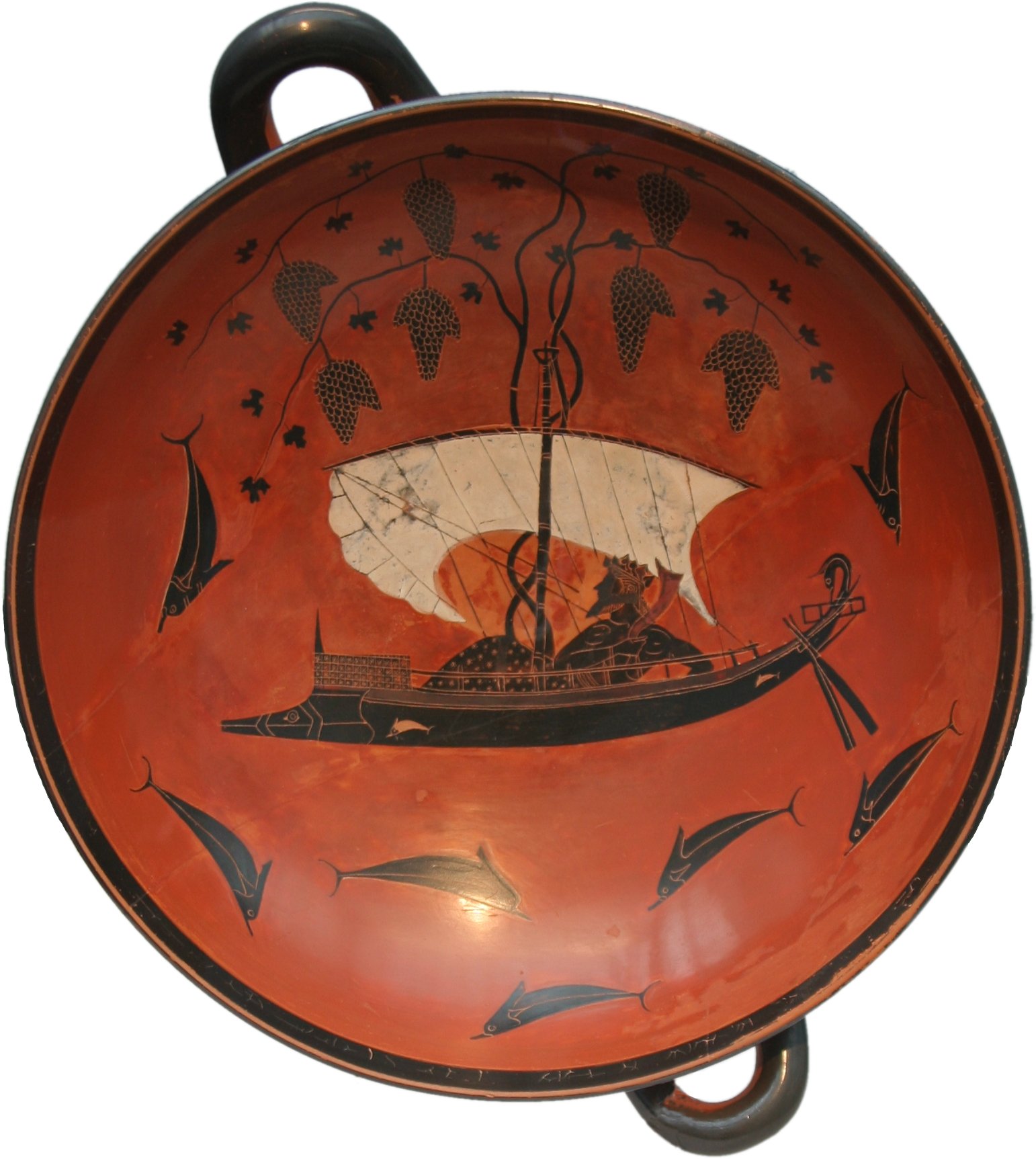
During the Hellenistic period (336-31 BC), Dionysus became the deity most frequently associated with ruler cult in the Ptolemaic Kingdom, the Seleucid Empire, and the city-kingdom of Pergamon. This development was entirely unprecedented in comparison with the cult of Dionysus in earlier Greece, where the god often maintained a complex and sometimes problematic relationship with political institutions. However, an analysis of the Dionysian cult reveals that the elements underlying Dionysus’ royal success during the Hellenistic age had already been present for centuries: his connection with the fertility of the land, his association with navigation, and his ambivalent nature, situated between the divine and the human spheres.
22/04/2026Ukraine
The survival of Bandera’s figure in Ukraine, Poland and Russia
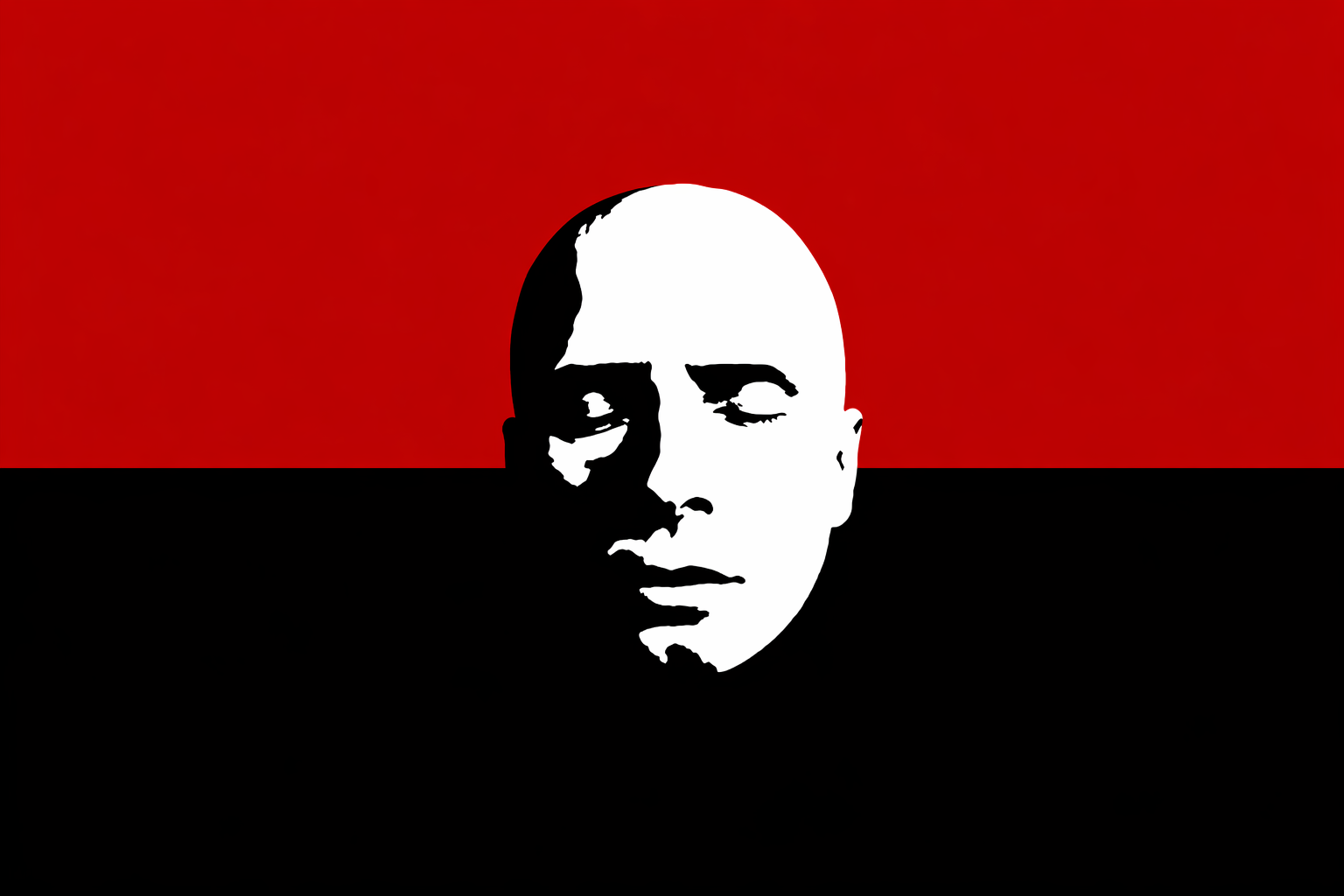
Bandera’s legacy survived World War II in several regions and communities despite his exile in Germany, the annexation of Ukraine by the USSR and the defeat of fascist powers. It subsisted indeed through the Cold War and into contemporary times through various forms of memory transmission. This essay aims to analyse both the rise of this cult and the narratives that developed around it, while also discussing the political consequences of such a phenomenon. Depending on the community, the memory of the figure and of his movement greatly differs. debates surrounding him in Ukraine, as well as in Poland and Russia, will be examined in order to understand his role in political and diplomatic debates in the region, especially in the current context of war. This tripartition — necessary to analyse such a controversial figure with neutrality — is also justified by a will to take into account several opposed points of view.
03/03/2026Ukraine
Stepan Bandera, a Symbol of Ukrainian Nationalism During the Second World War
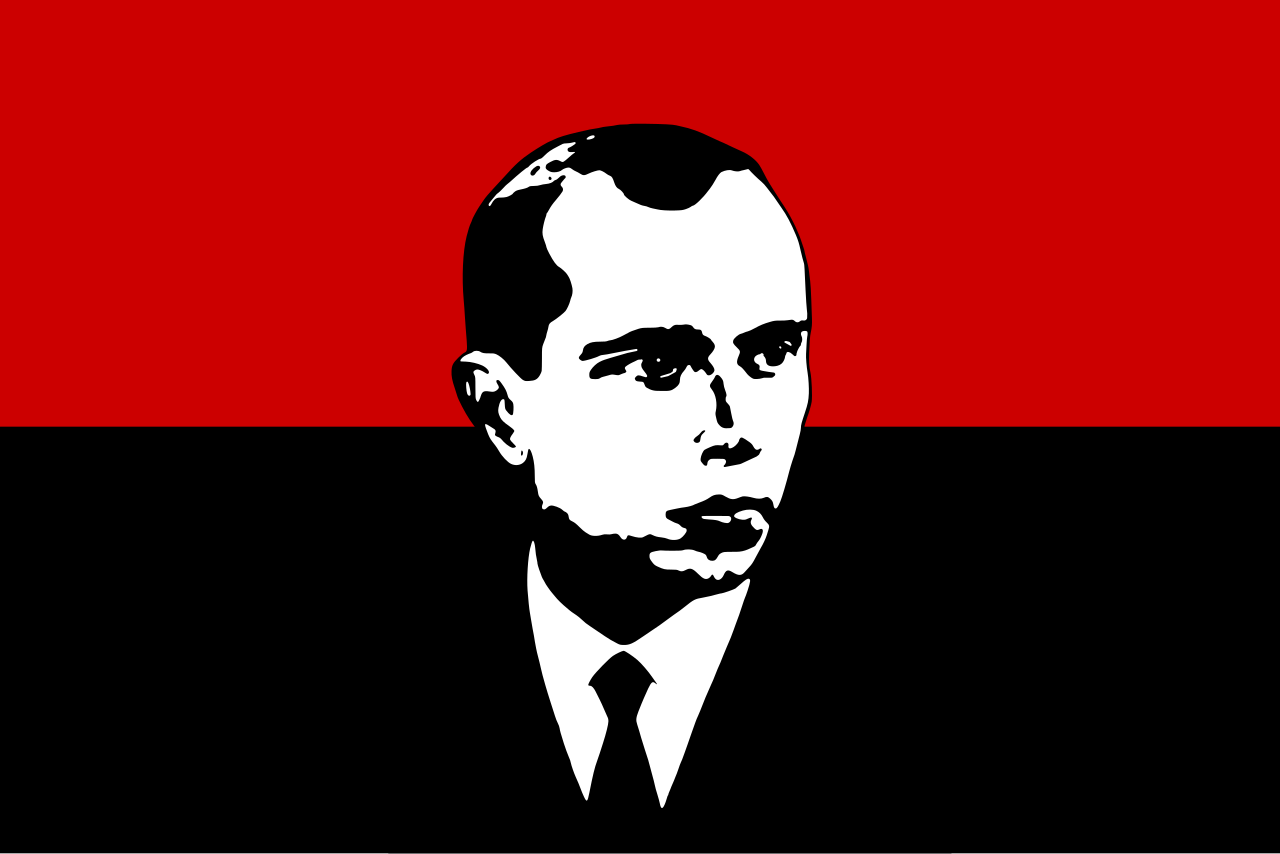
Stepan Bandera (1909-1959) is often glorified in Ukrainian political spheres and historiography, but is subject to opprobrium in Polish historical and political narratives. Leading figure of the Organisation of Ukrainian Nationalists (OUN), he is recurrently used as a legitimising argument for the war in Ukraine by Russian propaganda. The interwar period and World War II saw the growth of aspirations for Ukrainian national independence, especially in western Ukraine, but also the ascension of Bandera as a moral, ideological and political pillar. His followers, known as “Banderists”, had an ethnic, cultural and religious conception of their homeland, and engaged in carrying out radical policies to attain their ideal. Grzegorz Rossoliński-Liebe’s biography, Stepan Bandera: The Life and Afterlife of a Ukrainian Nationalist. Fascism, Genocide, and Cult (2014) synthesises this character’s history and the evolution of the Ukrainian nationalism he symbolises as of today. This essay aims to provide a simplified historical account of Bandera's life, based on Rossoliński-Liebe’s work, the Banderists, as well as the process which led to mythologization and the question of memory and identity it raises to this day.