
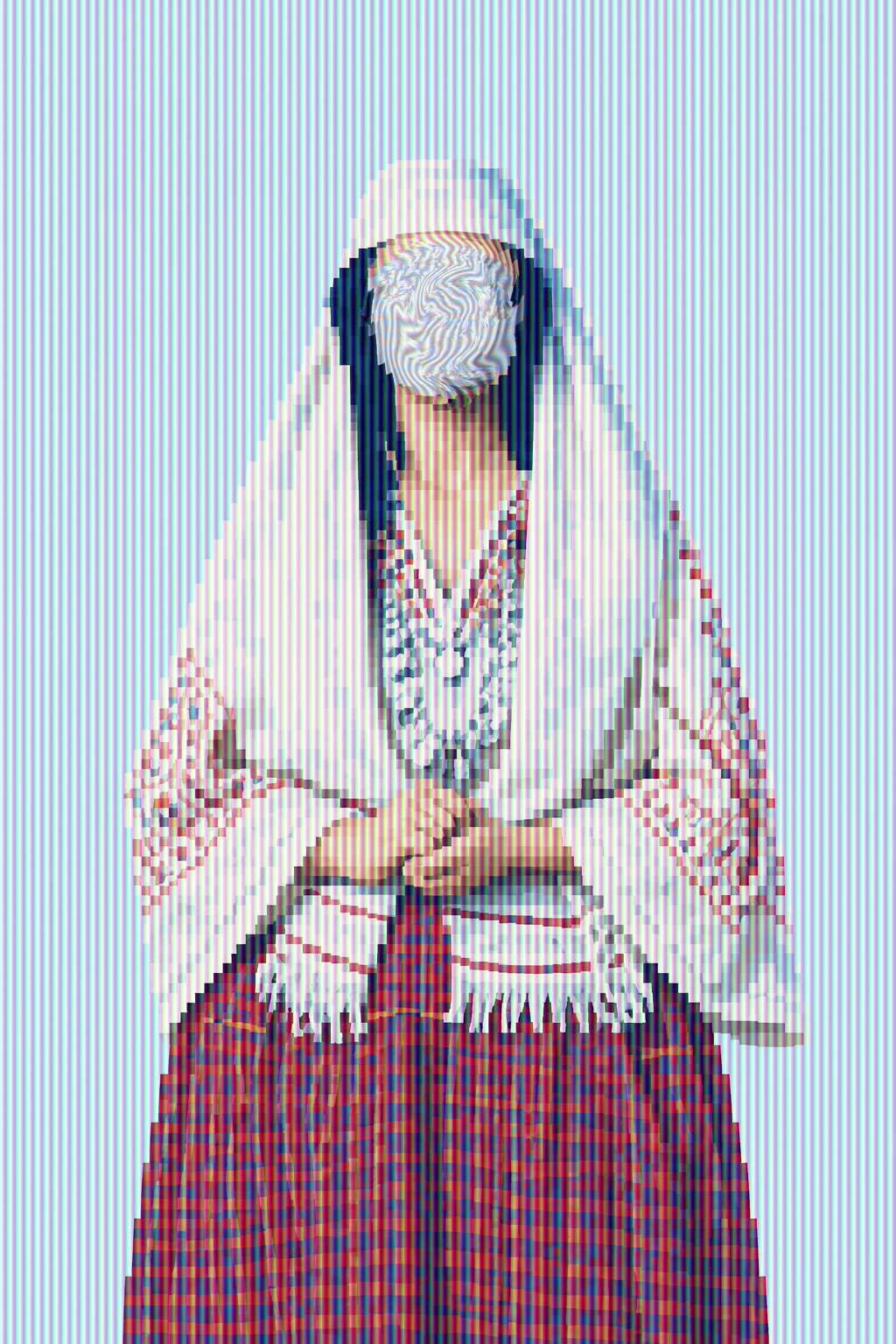
In September 2025, Albania’s Prime Minister Edi Rama introduced a new cabinet member. An AI assistant, previously used to help citizens navigate the government's e-Albania platform, has been ‘promoted’ to a position as minister for public procurement. This, the Prime Minister explained, will help reduce corruption, which remains an issue in this area of public administration, and advance the country’s bid for EU membership. The new minister is named Diella, derived from the word for sunshine in Albanian, and is represented as an avatar of a woman in traditional Albanian garb, invoking both tradition and progress.[1]
While some have characterised this decision as a political stunt,[2] it represents one of the first manifestations of governance via AI models at this level, coming, arguably quite unexpectedly from a small nation in the Balkans. It is therefore worth examining more closely what it is about Albania’s specific position that might have prefigured this decision, as well as how efficient Diella has been so far, not just as an anti-corruption instrument but as a tool for projecting a particular image of the country, especially in the context of its path towards the EU.[3]
Becoming European enough: Albania’s struggle to emerge from the peripheralisation of the Balkans
Albania’s current geopolitical positioning emerged from a complex historical context, shaped by its location within the ever-shifting boundaries of the Balkans. The very spatial delineation of this area has long been contested. It is, however, commonly considered to include Albania, the countries of the former Yugoslavia (Bosnia and Herzegovina, Croatia, Kosovo, North Macedonia, Montenegro, Serbia, and Slovenia), as well as Bulgaria and Romania.[4]
Within European politics, the region has historically been designated as a peripheral zone, a border between West and East. Bakić-Hayden & Hayden drew on Edward Said’s framework of orientalism to describe how Western Europe has historically perceived this region, associating its more ‘Eastern’ elements, such as Ottoman rule or Islam, as in some way more backward and inferior to European Christianity.[5] Todorova further notes that the distinction between Christian Europe and the religiously more diverse Balkans was subsequently replaced by the divide between the capitalist West and the communist East, with Balkan countries mainly falling into the latter category. She likewise shows how this, combined with the region's history of conflict, from the Balkan Wars of the early 20th century to the dissolution of Yugoslavia in the 1990s, has been used to characterise the area as a violent and disorganised counterpart to the “‘civilized world’ [emphasis added] (as Europe outside the Balkans and North America have proclaimed themselves)”.[6]
Albania in particular has many features that would, under this framework, weaken its claim to a distinctly “European identity”.[7] In the fifteenth century, the territory of modern-day Albania fell under the rule of the Ottoman Empire. During this time, a large section of the local population converted to Islam,[8] which remains the country’s dominant religion,[9] arguably somewhat separating the country from the notion of Europe which has historically been tied to Christianity. While the country gained independence from the Empire in 1913, its image continued to be dominated by its status as a primarily rural and agricultural society, seen as marked by backwardness.[10]
In the aftermath of the World Wars, a communist system was established under Enver Hoxha, further alienating the country from Western Europe. While the country initially maintained relations with other communist nations, throughout the Cold War it gradually became more isolated. Although Albania was initially heavily enmeshed with Yugoslavia immediately after the Second World War, the relationship quickly soured as Yugoslavia moved away from the Soviet Union. Albania was subsequently part of the Warsaw Pact up until the Sino-Soviet Split, siding with China in 1961, becoming an important European foothold for Beijing. However, as this relationship became more distant during China’s rapprochement with the U.S. in the 1970s, Albania was left isolated from both the Eastern and Western blocs.[11]
Amid the dissolution of the country’s communist system in the early 1990s, a large number of citizens emigrated, while general instability swept the region amid the outbreak of conflict in neighbouring Yugoslavia. This volatility, combined with emerging sanctions, created incentives for organised crime networks to develop and entrench themselves, which remains an issue for the country and its international reputation.[12] Albania has thus long faced an uphill battle in trying “to establish a legitimate position in the common European home” and strengthen its position on the European and international stage.[13]
Having opened up politically and economically after its long international isolation, Albania pursued cooperation with Turkey and the Gulf States based on renewed cultural and religious ties.[14] The country was also a target for part of the investment China has channelled into the region through the 16+1 framework under the Belt and Road Initiative.[15] However, Albania has undeniably been primarily strategically oriented towards the West, specifically the U.S. and the EU. This is understandable given, in particular, the U.S. support for majority-Albanian Kosovo, one of the most important regional issues for Albania.[16] Furthermore, the country joined NATO in 2009 and was granted EU candidate status in 2014.[17] Since then, Albania has made efforts towards fulfilling EU criteria, with Edi Rama stating the country aims to join by 2030.[18]
However, Albania continues to face certain governance challenges on its path to EU membership, corruption among them. According to Transparency International, its Corruption Perceptions Index score for 2025 stood at 39 out of 100,[19] where 0 is ‘highly corrupt’ and 100 is ‘very clean’.[20] Progress has been made, but it remains limited for certain high-risk areas such as public procurement, something the EU has also noted in recent reporting.[21] This, combined with the enduring perception of the Balkans and Albania as an area of “spatial, cultural and political peripherality”,[22] may have fueled a desire to project an image of a country that is not only well-governed, but also at the cutting edge of progress. The introduction of Diella can thus be read as an audacious attempt by the country to tackle one of its most enduring issues by the most modern means possible.[23]
The introduction of Diella: Combatting corruption and projecting progress?
The Diella AI system was originally introduced in 2024 as part of the country’s ambitious digitalisation efforts implemented as part of EU accession. It was integrated into the e-Albania platform as a chatbot to interact directly with citizens and assist them with accessing digital government services.[24] While the system continues to exist in this function, in September 2025, Prime Minister Rama stated that the system would be placed in a position of ‘minister’ within the area of public procurement. It would assess bids for government contracts and thus, Rama argued, contribute to objective and corruption-free decision-making. [25]
However, at the time of writing, no official assessments of Diella’s effectiveness as a tool for combating corruption have been published. Recent reporting states that the role of the algorithm in public procurement remains unclear and seems to still be in early developmental stages, giving some weight to claims that the tool is more so political theatre than concrete policy. Thus, Diella’s exact impact on corruption levels is yet to be fully seen.[26]
Nonetheless, there is reason to be slightly pessimistic about long-term success in addressing corruption given previous research carried out regarding the effectiveness of these kinds of tools. Several countries, such as Chile, Brazil, and Kazakhstan, have been using AI to manage public procurement, for instance, to flag suspicious activity.[27] Observers have noted that AI could serve a productive purpose in this area. However, there are emerging indications that without careful design, quality databases, and a strong legal framework, such systems may prove ineffective, or even perpetuate corruption by shrouding questionable decisions in a false sense of objectivity and making them difficult to independently verify.[28] Several such potential implementation issues bear noting in the case of Diella. These concerns may hamper its efficiency as a tool both for combating corruption and for presenting a well-governed and progressive Albania in the context of EU accession.
First, while the country has made significant strides in digitalisation, Diella among them, it has been noted that Albania’s legal framework surrounding this technology has not evolved to keep up with these changes.[29] This has produced genuine ambiguities. Diella’s legal status as a minister is itself questionable, as the Albanian constitution requires ministers to be mentally competent citizens over the age of eighteen, a description Diella cannot meet.[30] Furthermore, the model has been placed under the direct authority of Prime Minister Rama himself, prompting concerns about transparency and accountability given the lack of external oversight.[31] Such ambiguity may undermine trust in the institutions managing the tool, especially vis-à-vis the EU, which is often considered a forerunner in technology regulation, for example with its AI Act, which calls for far more concrete accountability and transparency safeguards than the ones currently in place in Albania. [32]
Moreover, while the model has been framed as a way to fulfil the EU’s anti-corruption criteria, it may also diverge from the EU’s current political direction. Diella’s operation is heavily dependent on large American technological corporations, especially Microsoft and OpenAI.[33] This may come to present a problem further down the line as the EU is attempting to reduce dependence on the U.S. tech sector and build up its own technological and AI capacities.[34]
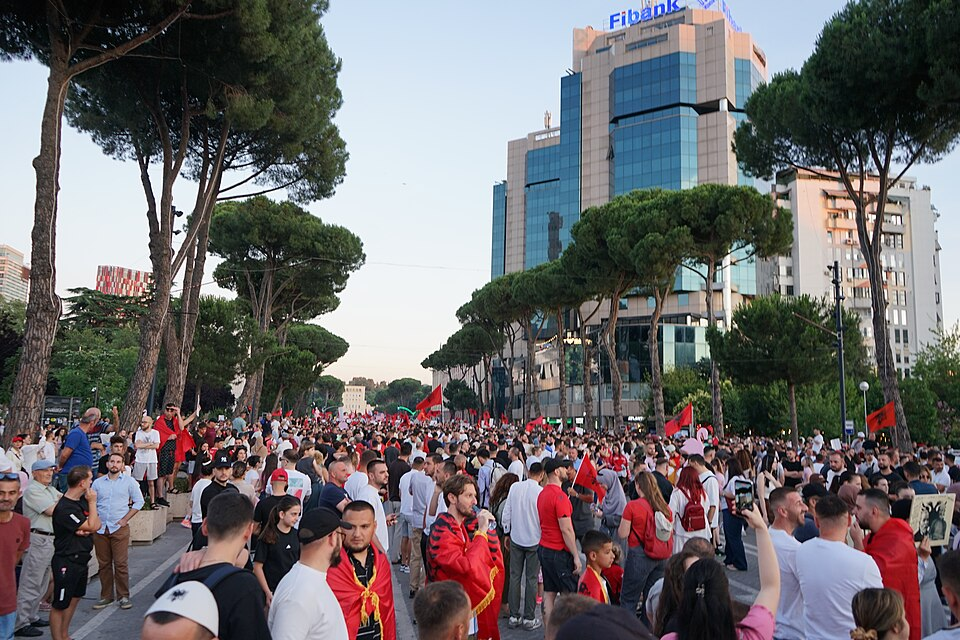
Furthermore, it appears the introduction of Diella has also not been successful in decreasing concern about corruption within the domestic public. While generally supportive of digitalisation, there are indications of scepticism among the population about the practical value of this particular AI usage, with some viewing it more as a political stunt.[35] Enduring citizen dissatisfaction can also be seen in the recent protests against a luxury resort development on Sazan Island backed by President Trump’s son-in-law Jared Kushner. The government has promoted it as a valuable source of foreign investment. However, many activists and citizens oppose it, warning of significant damage to the area's ecosystem; some have pointed to the alleged lack of clarity over permits and environmental impact assessments as symptoms of wider corruption. It thus appears that, despite flashy moves meant to demonstrate corruption is being addressed, illustrated by the introduction of Diella, citizen satisfaction with government transparency has not measurably improved.[36]
Flamingo Revolution Tirana Protest:
Technology as a tool of progress or regression? The gender politics of Diella’s feminine form
An element of Diella’s introduction which has received less public attention is its relationship to gender dynamics. Nonetheless, as the Albanian government seeks to project the image of a progressive country aligned with the EU, it cannot neglect the role women’s rights play in this. The EU has defined its common identity as a community based on human rights, which also includes the rights of women.[37] Yearly reports on candidate states, including the one produced on Albania most recently in 2025, thus also touch on the rights of women in the political, economic, and social sphere.[38] It is thus also important to examine the way in which the introduction of Diella, notably presented with a female avatar, interacts with the trajectory of women’s rights in Albania and how this may also relate to the country’s EU progression and international image.
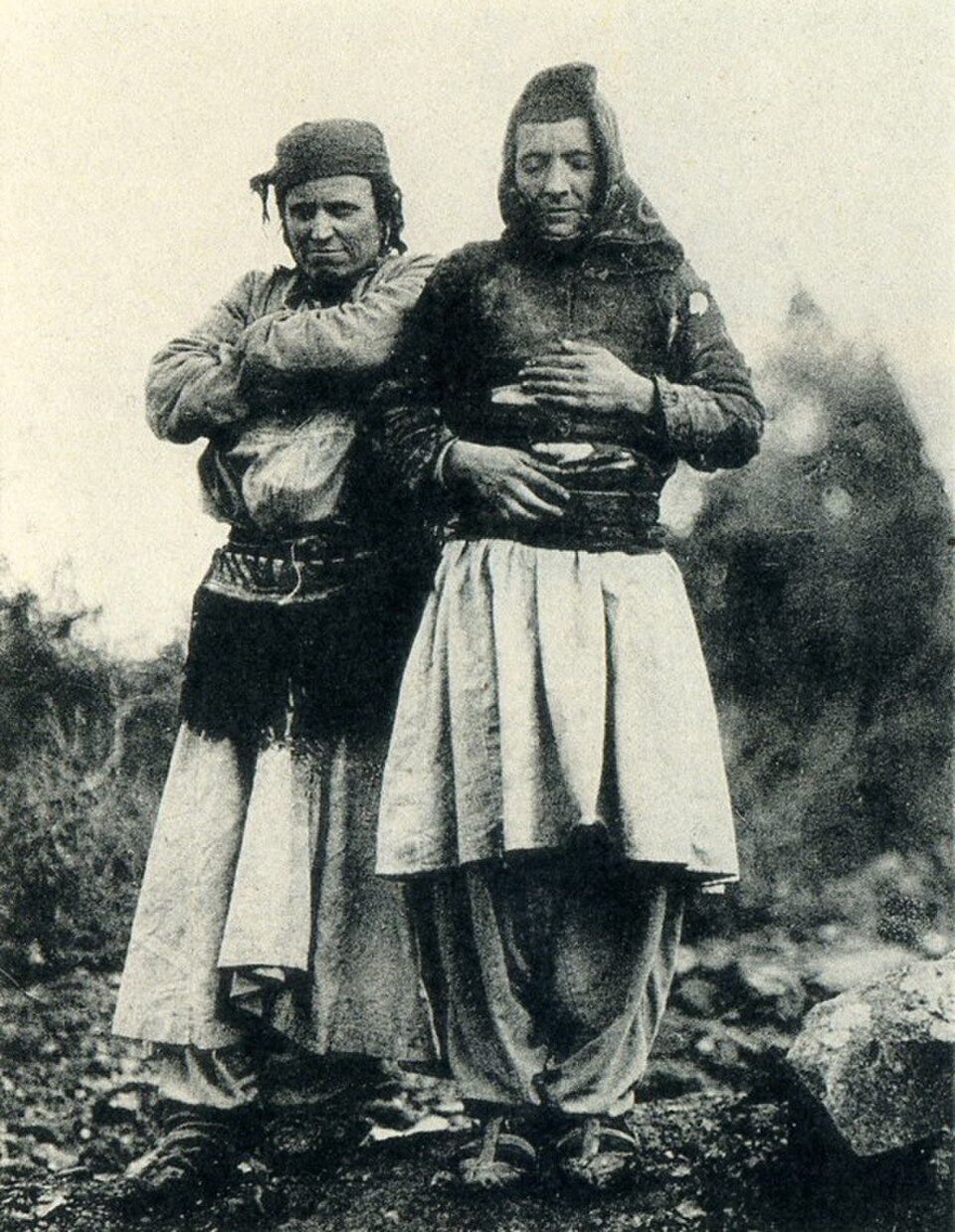
Looking at Diella’s particular design more closely, the avatar is dressed in traditional Albanian clothing,[39] rather than, say, the business attire one might expect from a contemporary minister. Historically, looking at the pre-communist period, much of Albanian society, especially in rural areas, has been characterised by fairly rigid traditional gender roles. These were enshrined in a traditional customary legal system known as Kanun, which was reinterpreted over the course of the country’s history and in different regions, resulting in different strands, for example, the Kanun of Lekë Dukagjin, which is considered most widely recognised, but also the strictest when it comes to gender, the Kanun of Skanderbeg, or the Kanun of Labëria.[40] Under these customary rules, women generally lacked legal autonomy, the capacity to own property or to decide on their marriage. Offences like disobedience to one’s husband could result in exile or physical punishment, and adultery on the part of the wife could even be punishable by death.[41] Anthropological descriptions of the time detail these strict customary honour codes and the position of women as generally confined to the domestic sphere. Clothing in particular has also been discussed as an important visual marker of this gender division, so much so that in some rural communities, women from families without sons could take an oath of celibacy and adopt male dress to embody the masculine role the family required.[42] The decision to dress Diella in traditional female garb is thus embedded within a historical context where dress is a significant marker of gender division and recalls a time when this division was rather strict.
Sworn Virgins in Mirdita (Carleton Coon,1929):
Beyond dress, the framing surrounding Diella reinforced this traditional view of femininity: when AI assistants were introduced in the Albanian parliament, Rama described them as ‘children’ Diella had been ‘pregnant’ with.[43] This viscerally anthropomorphises the model by linking it to childbearing, a traditional marker of womanhood. Diella thus becomes not a piece of technology of unknown abilities or implications, but a mother and a sort of feminine ideal.
Nonetheless, as in much of the Balkans, these rigid traditional gender norms softened somewhat under communism, when women's legal status became more egalitarian. Notably, authorities attempted to root out customary legal codes; equality between the sexes was enshrined in the Constitution, and women gained equal rights in marriage, inheritance and property. While legal protections for women’s rights from the communist period have been upheld after the system collapsed, it has been noted that traditional legal systems still hold weight in some rural communities. Moreover, the economic and social problems related to the transition, such as mass unemployment and emigration, reportedly impacted women at a disproportionate rate.[44]
Moreover, some have noted that although women’s rights improved to a degree under communism, elsewhere in the Balkans, such as countries of the former Yugoslavia, the rise of nationalist discourses after Yugoslavia's dissolution brought with it a return of more traditional gender roles and a celebration of conservative femininity.[45] In the case of Albania, while women’s rights continue to be formally respected, Diella being designed to visually reference a more traditional view of women may align with this framing of a reemergence of conservative notions of femininity in the Balkans.
Furthermore, concrete concerns regarding women’s position in the country persist.[46] This has been evident in the EU’s own reporting on Albania; the Commission has assessed that, although the government currently has an even gender distribution, women remain underrepresented in Parliament, holding 51 of 140 seats.[47] While this amounts to about 35% of seats, which is higher than the Europe-wide mean of 31.8%, observers like the Commission as well as UN Women maintain that gender stereotypes and discrimination continue to present significant hurdles to female politicians.[48] Diella being embodied as a woman may have the potential to sidestep these issues, as it can create the appearance of substantive inclusion, even though Diella is a machine and not one of the human women who still require support to improve their position in politics.
Furthermore, the Commission highlighted that violence against women and the high rate of femicides per capita continue to be a pressing concern, especially as social stigma hinders reporting of abuse. On this matter, the country needs to further align with the Istanbul Convention and relevant EU laws and improve institutional support for victims.[49] This is further supported by UN Women, stating that officially 61.8% of women reported experiencing dating violence and 33.7% have reported experiencing intimate partner domestic violence.[50] With this in mind, it bears mentioning that Diella’s avatar being female fits with past and existing tech trends, such as voice assistants generally having default female voices. This has proved controversial in the past, as many such assistants were programmed to respond passively to gendered verbal abuse. While this was somewhat mitigated after public backlash, companies producing emerging anthropomorphic companion robots have also been accused of having similar issues.[51] Although no specific issues have been flagged in this regard when it comes to Diella thus far, given that technology both reflects and reinforces prevailing attitudes, if its programming is not conducted with sufficient care, it may prove problematic in a context where victims may already struggle with stigmatisation.[52]
On top of this, Diella’s design has had a rather public direct impact on a real-life woman. The avatar’s face and voice are modelled on those of the Albanian actress Anila Bisha, who has publicly claimed she never consented to this use of her image. While she agreed to this use when Diella was merely an assistant on government websites, she never approved her likeness being labelled a minister, a politician associated with the ruling party.[53] Following this allegedly unauthorised expansion, she claims that she received negative attention both online and offline, especially from those critical of the government.[54] She has since filed a lawsuit, seeking damages and an end to this use of her image,[55] a case that may join a growing line of instances in which AI has been used for gendered harm. The most notorious example of this is the use of visual AI tools to generate sexually suggestive images of real women from non-suggestive photos and videos.[56] If the courts find that Bisha’s image was indeed used without proper authorisation, however, the case may mark a new frontier of such damage, with a private citizen being politically and professionally harmed through the unsanctioned use of her likeness in order to project a political image of good governance and progressiveness which may not reflect the whole picture.
Thus, despite being promoted as a symbol of modernity, Diella’s positioning on the axis of technology and gender does not appear as progressive as one might expect, both in how it portrays women and in the possible implications for their real-life treatment
.
Conclusion
In summary, while Diella is centrally presented as a tool to combat corruption, its use in this area is still in its early stages. However, it is also worth examining, not just as a strategy of administration, but as a tool for projecting the image of good quality progressive governance.[57] In the historical context of the Balkan region, which is often perceived as peripheral to Europe and less advanced,[58] the decision of the Albanian government to appoint an AI minister can be read as the country grasping for international recognition as a modern European country at the forefront of technological progress, especially as it pursues the goal of EU membership.[59]
Not much is known yet about whether the tool will substantially decrease corruption long term.[60] However, previous research on integration of AI in this area indicates that doing so effectively requires legal adjustments and strong accountability mechanisms that Albania has not yet implemented, so there is reason to believe the tool will not deliver all that was promised.[61] Additionally, this failure to adapt the legal framework and domestic technological capacity to this change may tarnish the image of advancement among Albania’s international partners like the EU.[62] The domestic public likewise appears unconvinced of Diella’s capacity to deliver substantial improvements in government transparency, as evidenced by recent protests calling for an improvement in this regard.[63] Finally, Diella’s very design may undercut its claim to modernity and progressiveness in the context of women’s rights, another important facet of EU accession.[64] The feminine form of Diella’s avatar draws on relatively conservative gendered ideals and potentially diverts attention away from, and perhaps even perpetuates, issues real women face both in and out of politics.[65]
Overall, the story of Diella remains important to monitor. Even though its impact on corruption has not yet proven substantial, it is still one of the first instances of attempted AI implementation at this level of government. It may thus serve as future guidance to countries like Albania which are likewise pursuing EU membership, but also countries worldwide with the broader political objectives of addressing corruption and projecting the image of doing so.[66] Nonetheless, thus far it appears that introducing an AI model is, in itself, far from a panacea. The case of Diella affirms that AI models reflect the assumptions and attitudes of those who design, prompt, and implement them.[67] Governments thus also make AI-related decisions that are, despite the technology’s novelty, deeply embedded in a certain historical context. Therefore, even if AI policies are meant to invoke a progressive image,[68] they might in fact demonstrate a failure to adapt to evolving norms. This seems to have been the case in terms of the legal, political and technological framework surrounding the model’s implementation.[69] A similar lack of adaptation has arguably also been evident in the model’s design and its relationship with existing social issues, such as the position of women.[70] The ability to overcome this inertia might determine whether tools like Diella end up becoming not just reputational tools, but also substantive future solutions.